
Johnny And Henry’s Refuge
The CallerThis flow follows Johnny’s dependence on Henry Beskow as a rare source of care, and the devastating loss of that refuge.
increasing Bearing strength in each event
 decreasing
Bearing strength in each eventdecreasingA House Beyond Home

A House Beyond Home
A dependable welcome
Johnny visits his grandfather Henry, brings groceries, reads the newspaper, and helps with small household tasks. Henry receives him warmly and gives him a place where conversation feels possible.
A contrasting household
At home, Johnny faces neglect and resentment from his mother. Henry’s ordinary kindness gives him a measure of belonging unavailable elsewhere.
The relationship does not erase Johnny’s anger, but it provides a human connection that helps explain why Henry’s later death destabilizes him so profoundly.
The Caregiver’s Routine

The Caregiver’s Routine
Small acts of service
Johnny makes food, brings drinks, checks Henry’s comfort, and stays with him while he sleeps. He treats these repeated tasks as evidence that he is useful to someone.
Mutual dependence
Henry gives Johnny pocket money and companionship, while Johnny supplies attention that his grandfather values. Their exchanges are affectionate without being grand or sentimental.
The routine creates a fragile refuge from loneliness. Johnny’s identity as a caring grandson coexists uneasily with the cruelty he directs elsewhere.
Fear Of Losing Henry
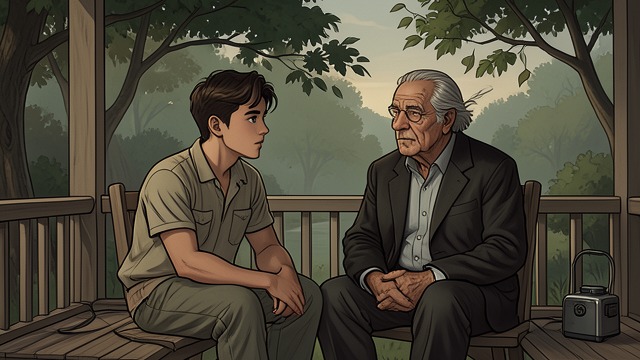
Fear Of Losing Henry
Questions about age
Johnny asks what it feels like to be old and whether Henry can feel death approaching. Henry answers plainly, describing life as something a person must allow to carry him.
An unstable reassurance
Johnny insists that Henry will live to ninety, even while seeing the old man’s illness and weakness. He knows he has few other people to visit and little else that gives his days meaning.
Their conversation foreshadows a loss Johnny cannot prepare for. His affection is real, but fear repeatedly turns into denial rather than acceptance.
The Poisoned Meal
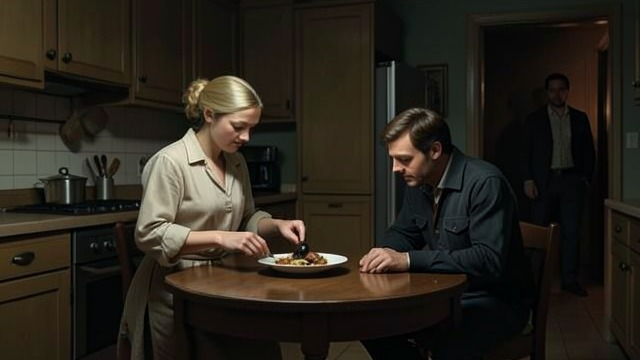
The Poisoned Meal
A meal from Trude
Henry eats food brought from Johnny’s home by his daughter, Trude Beskow. Johnny recognizes the container and suspects that his mother was seeking access to Henry’s money.
Care meets betrayal
Investigators discover that the food contains rat poison, and Trude is arrested on suspicion of poisoning her father. Johnny has already buried his own resentment over a different poisoning attempt he made against his mother.
The meal destroys Johnny’s refuge and exposes violence within the family that had seemed separate from his crimes. Its consequences leave him bereaved and entangled in a second investigation.
An Inheritance Without Shelter
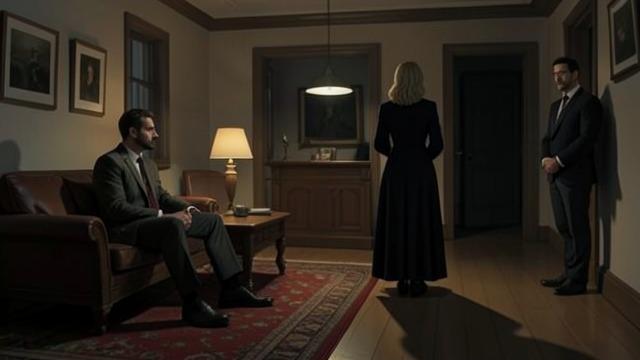
An Inheritance Without Shelter
The old refuge is gone
Henry’s death removes the person Johnny most trusted and the household where he felt useful. Investigators learn how often Johnny had cared for him, but the bond cannot restore what has been lost.
A future in custody and uncertainty
Johnny asks Sejer whether his mother will be disinherited if convicted, showing how he connects money to the possibility of escape. Yet the inheritance cannot replace Henry’s companionship.
The thread ends with material questions where Johnny most needs emotional stability. His dependence on Henry had been a relationship, not merely a route to security or money.
early in Johnny’s visits to Bjørnstad
during Johnny’s regular afternoon visits
late summer, as Henry’s health declines
the day Henry Beskow dies
after Henry’s death and Johnny’s arrest
